The riskiest moment in sourcing is the first payment to a supplier you have never worked with. Fake companies, copied certificates, last-minute bank account changes, and samples that do not match mass production all appear at that stage. Most of these problems can be caught with a short, repeatable process.
This checklist is built for buyers, importers, and sourcing teams. It works whether you found the supplier on a marketplace, at a trade show, or through a referral.
Why verification comes before negotiation
Price and lead time are easy to negotiate. Identity is not. If the company behind the quote is not who it says it is, a better price only increases what you can lose. Verify first, then compare offers.
The 12-point supplier checklist
Identity and legal status
- The company name on the quote, invoice, and contract matches its registration documents exactly, not only a trade name.
- The registration number can be confirmed with the official company registry in the supplier's country, where a public registry exists.
- The business address is consistent across documents, website, invoices, and shipping papers, and it exists on a map.
- Your contact is a named person on a company email domain, and they can be linked to the company through more than one source.
Commercial proof
- Certificates relevant to your market (quality, safety, or product standards) are checked with the issuing body using the certificate number.
- At least two references from buyers in a similar market have been contacted directly.
- You have ordered a paid sample made on the line that will produce your order, not a showroom unit.
- Export history is documented, for example shipping documents with prices redacted.
Payment and contract safety
- You never pay the full amount upfront to a new supplier. Payments follow milestones: deposit, pre-shipment inspection, then balance against documents.
- Payments go only to a bank account held in the registered company name and country. A request to change accounts is treated as a red flag.
- Specifications, tolerances, lead time, trade terms, and defect handling are written into a purchase agreement.
- An independent pre-shipment inspection is booked for the first orders.
Tip: Ask for a short live video call from the production floor and have them show your sample next to a handwritten note with today's date and your company name. A real factory can do this in minutes. Evasion is information.
Red flags that justify walking away
- Pressure to pay quickly to "hold the price" or "secure the slot".
- Different company names on the quote, invoice, and bank account.
- Certificates that cannot be verified with the issuer.
- Refusal to provide a sample from the actual production line.
- Prices far below every comparable quote, with no explanation.
- A contact who only uses messaging apps and avoids company email or calls.
How a verified marketplace shortens the process
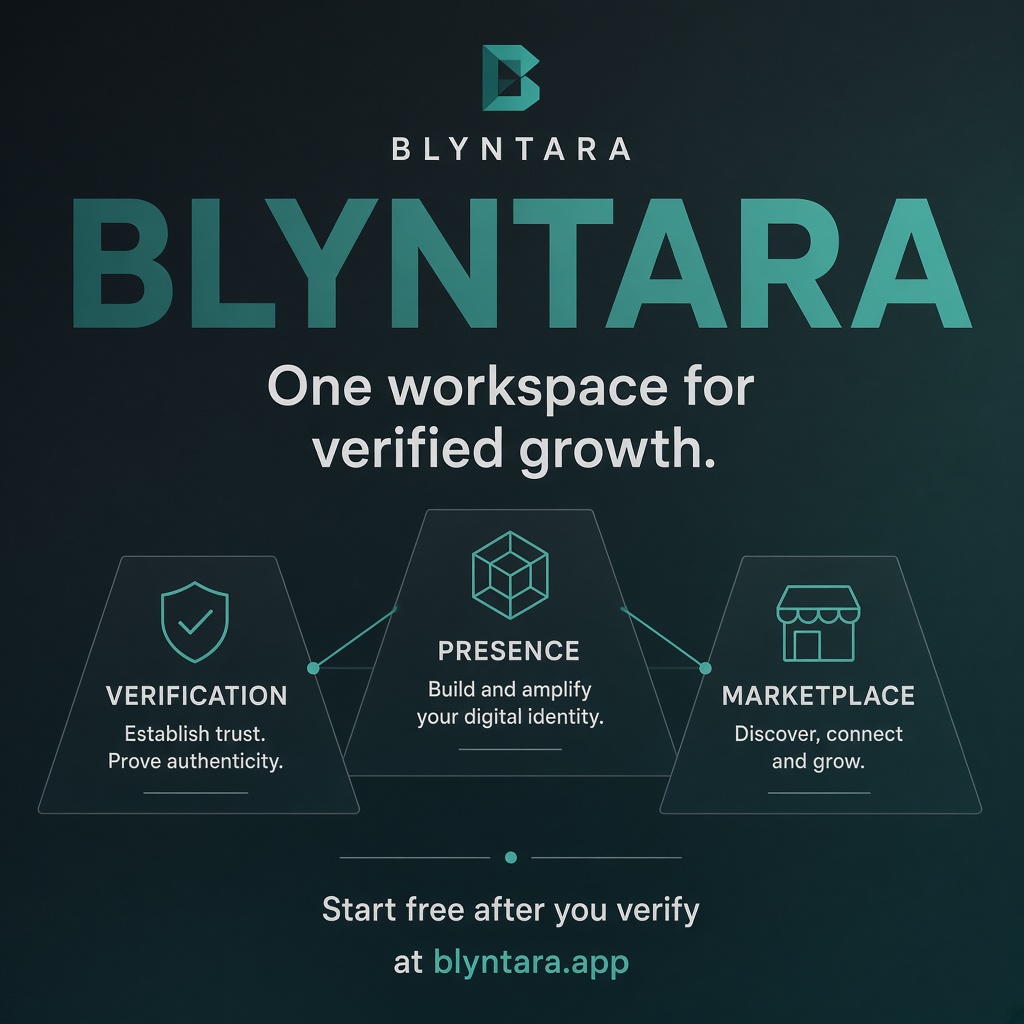
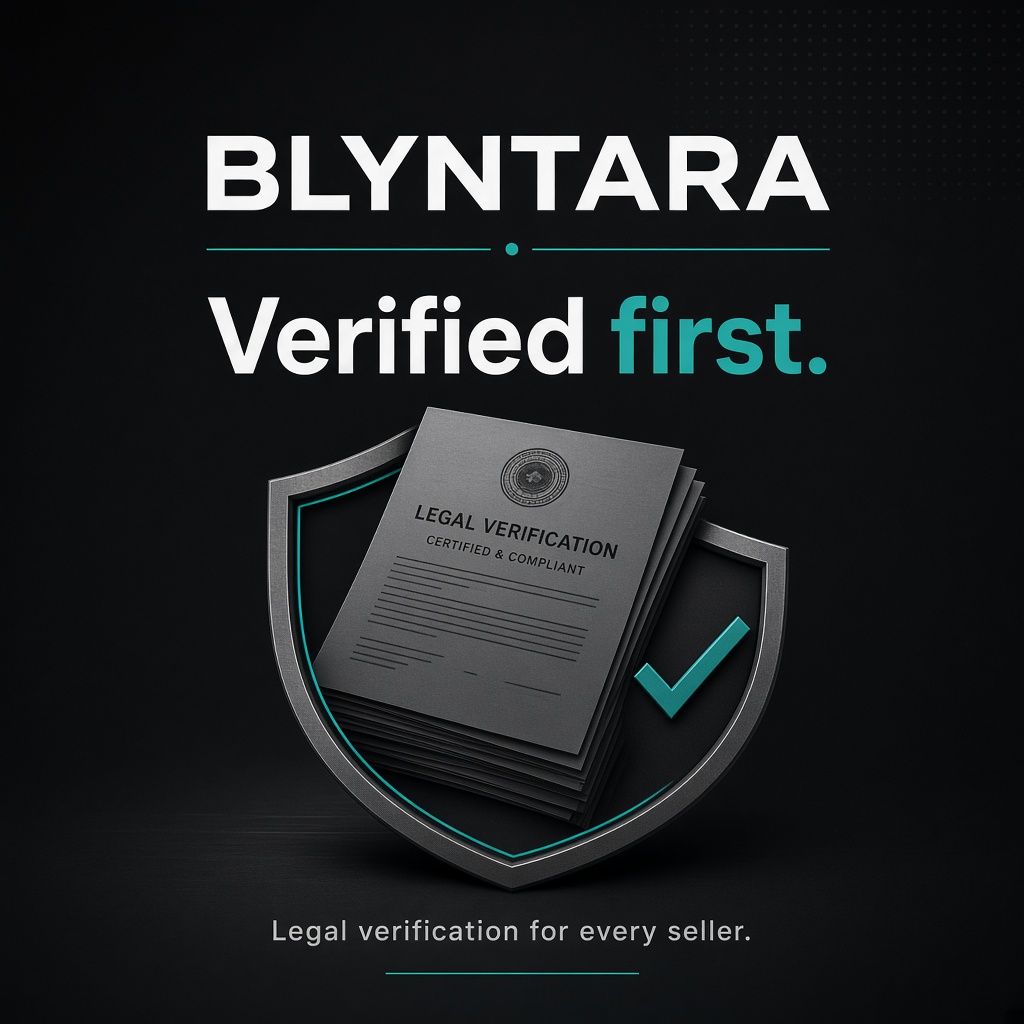
On a verified marketplace such as Blyntara, businesses are reviewed with legal documents before they can list. That moves the first checklist section, identity and legal status, from "assume nothing" to "start from a reviewed profile". You still need to test commercial proof and structure payments safely, but you begin with counterparties that have passed a gate rather than with an open directory.
A worked example: reviewing one quote in 15 minutes
- Match the company name on the quote to a registry search and note the registration number.
- Search the address, confirm it is a plausible production or office location, and compare it with the website and invoice.
- Confirm that the bank account holder name matches the registered company name before any deposit.
- Ask for the certificates that apply to your market and verify one number with the issuer.
- Request a paid sample and a call from the production floor, then decide.
If any step fails, stop and ask for an explanation in writing. A legitimate supplier will usually resolve these questions quickly.
Frequently asked questions
Is a business license enough to trust a supplier?
No. A license shows that a company is registered. It does not show whether it can produce your product at your quality level. Use it as step one, then test samples, references, and certificates.
Should I work with a factory or a trading company?
Both can be legitimate. What matters is that they are honest about which they are. Ask directly who manufactures the product, then adjust your inspection and contract terms to match.
How much should I pay upfront?
There is no universal number, but a deposit tied to production start, with the balance linked to inspection and shipping documents, protects both sides better than full prepayment. For larger orders, discuss bank-backed payment methods with your bank.
What if I already paid and something looks wrong?
Stop further payments, keep every message and document, and contact your bank quickly. Then seek local legal advice about your options.
Keep reading
- ICC (International Chamber of Commerce): Publisher of the Incoterms rules used to define who pays for what in international sales contracts. Visit the ICC website
- U.S. International Trade Administration: Export guidance and market information for trading across borders. Visit trade.gov
- Blyntara guide: What a verified B2B marketplace is and how it fits into your sourcing process. Read the overview
Source from verified businesses first. Browse the Blyntara marketplace and send an inquiry with your specifications.
This guide is general information for buyers and does not constitute legal or financial advice. Requirements differ by country and product category, so confirm the rules that apply to your transaction.