A B2B storefront is not a brochure. It is the page a buyer opens right after they find you, and it has one job: help them decide, quickly, whether you are worth an inquiry. Most buyers compare several suppliers at once, so a storefront that answers their first questions clearly will usually win the first conversation.
What buyers check in the first 30 seconds
- Who you are: legal business name, country, and what you actually do.
- What you sell: products with real specifications, not slogans.
- Whether you are credible: verification status, certificates, and proof of past work.
- Commercial basics: minimum order, lead time, and payment or shipping terms.
- How to reach you: a clear way to send an inquiry.
Seven steps to a storefront that converts
1. Complete verification first
Verification is the strongest trust signal you can add, and it unlocks marketplace visibility. Finish it before you invest time polishing pages, so everything you publish is attached to an approved identity.
2. Write a business description buyers can scan
Use two or three short paragraphs. Say what you produce or provide, where you operate, who you serve, and what makes you reliable. Skip superlatives. Specific beats impressive.
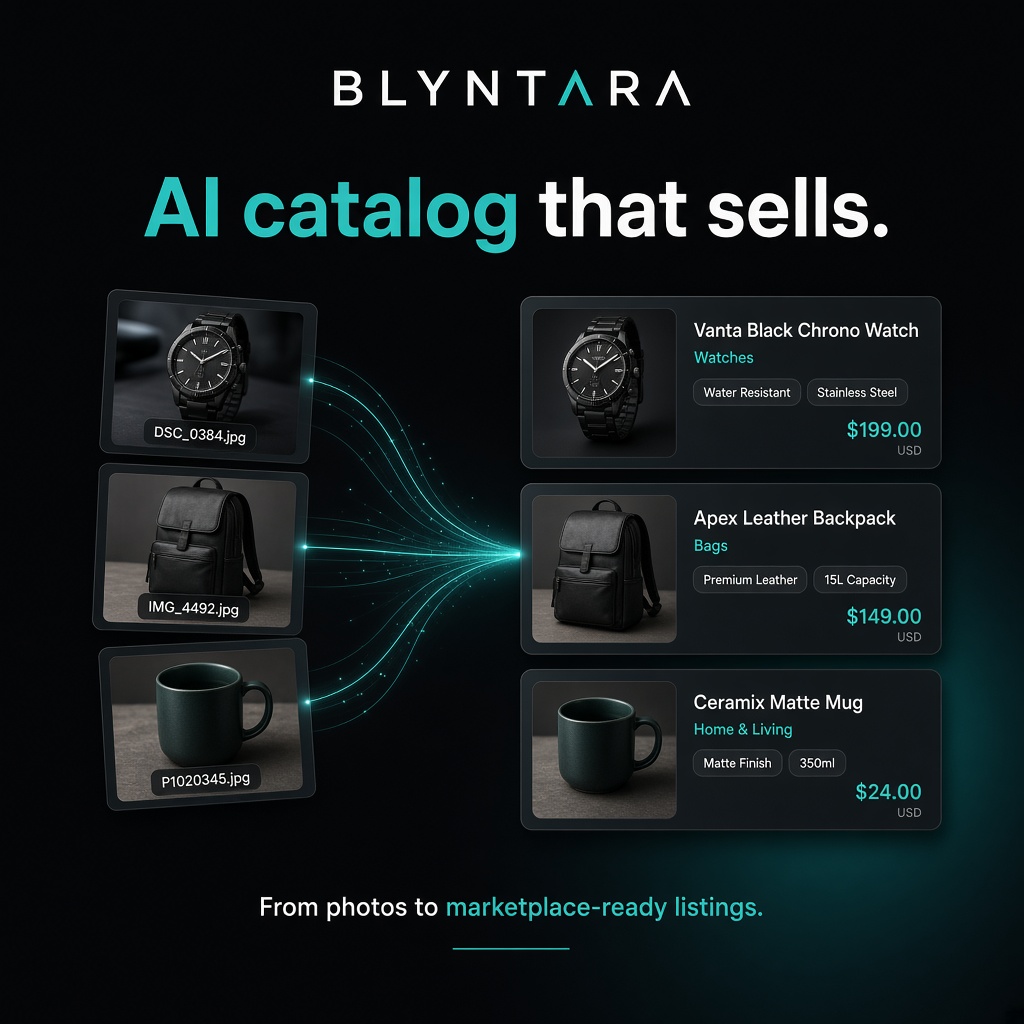
3. Publish 10 to 20 complete products
Depth matters more than breadth. Each product needs a clear name, key specifications, material or standard, and at least three photos. Ten complete products convert better than fifty thin ones.
4. State the commercial basics
Add minimum order quantity, typical lead time, packaging, and shipping options on each product or in the storefront overview. Buyers who cannot find this will assume it does not fit.
5. Add proof
Certificates, factory or workshop photos, customer logos you have permission to show, and short case examples. Proof answers the question "can you actually deliver?" before it is asked.
6. Make inquiries easy
Route every inquiry into your leads inbox, and ask for only what you need: product, quantity, destination, and timeline. A shorter form gets more inquiries and better first messages.
7. Reply quickly and specifically
Buyers usually contact several suppliers at once. A fast reply that answers the exact question, with price range and lead time, tends to win the next step.
Tip: Write your first reply as a template with blanks for product, quantity, and destination. Speed comes from a reusable structure, not from typing faster.
Launch checklist
- Verification approved and visible on the profile.
- Business description written in plain language, with country and focus.
- At least 10 products published with specifications and photos.
- Minimum order and lead time stated on every product.
- Certificates or proof uploaded where relevant.
- Inquiry inbox tested with a message from a second account.
- Social presence connected so new products are announced.
Measure four numbers
- Inquiries per week, to see whether visibility is growing.
- Time to first reply, to protect the easiest advantage you have.
- Inquiry to quote rate, to spot weak targeting or unclear terms.
- Quote to order rate, to learn whether pricing and proof hold up.
Review them every two weeks. If inquiries are low, improve visibility and product pages. If quotes are not turning into orders, work on proof and terms.
Example: from vague to useful
Before: "We are a leading manufacturer of high quality products with years of experience. Contact us for the best prices."
After: "We manufacture stainless steel drinkware in [city, country], with a minimum order of 500 units and a typical lead time of 25 days. We hold [relevant certification] and ship to [regions]. Send your size, quantity, and destination and we will quote within one business day."
The second version tells the buyer what you make, where, how much, how fast, and what to send. Replace the bracketed parts with your own facts. That is what a qualified inquiry needs.
Frequently asked questions
How many products do I need before launching?
Ten complete products are a good starting point. Add more once inquiries show which categories buyers want.
Should I show prices?
Show a price range or a starting price where you can. If prices depend on volume, state the tiers or explain how quotes are calculated. Hiding everything makes buyers assume you are expensive or unreliable.
What counts as a qualified lead?
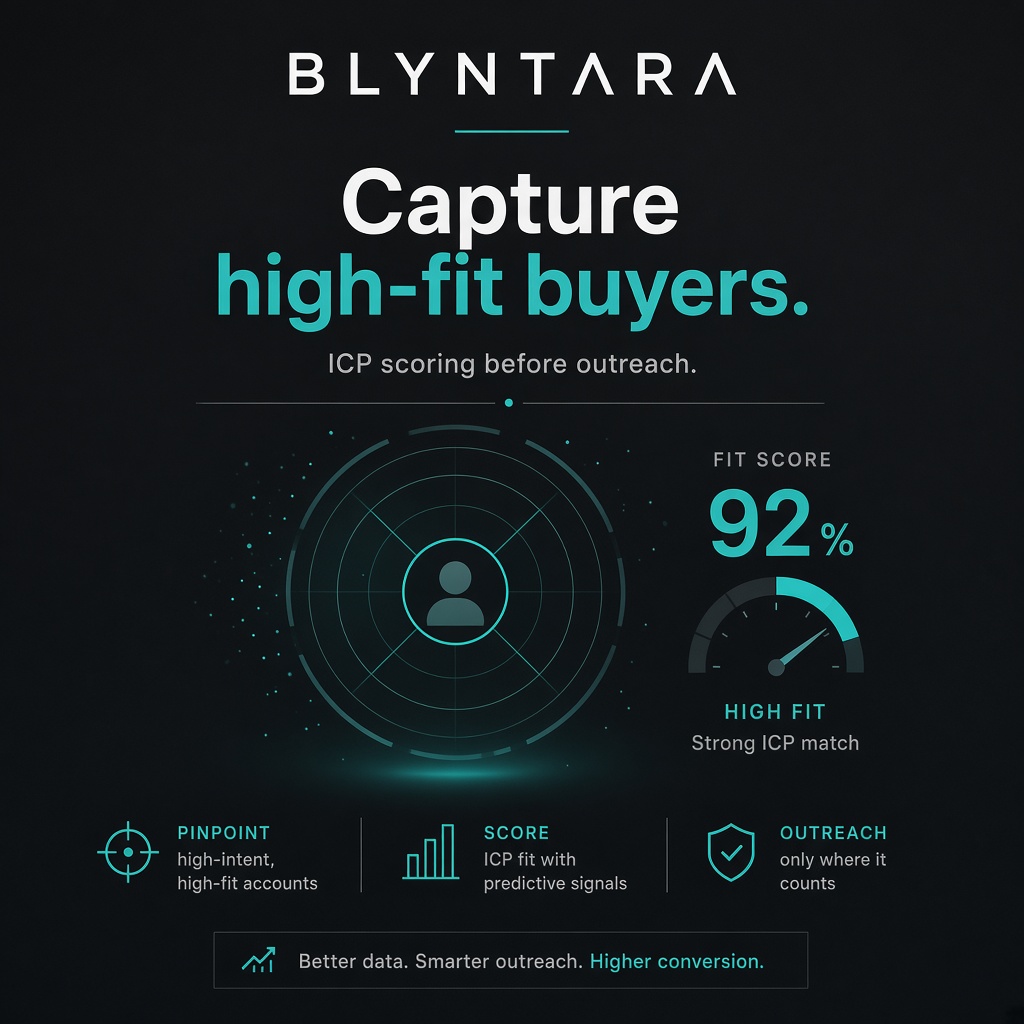
An inquiry that names a product, a quantity, a destination, and a timeline. Asking for those four fields in your inquiry form filters casual messages from real demand.
How often should I update the storefront?
Review it monthly. Update stock, lead times, and certificates, and add new products as you launch them so the page always reflects the business as it is today.
Keep reading
- Write product pages that rank: Titles, specifications, and photos that help buyers find and trust your catalog. Read the listing guide
- How buyers verify suppliers: See your storefront the way a careful buyer does. Read the buyer checklist
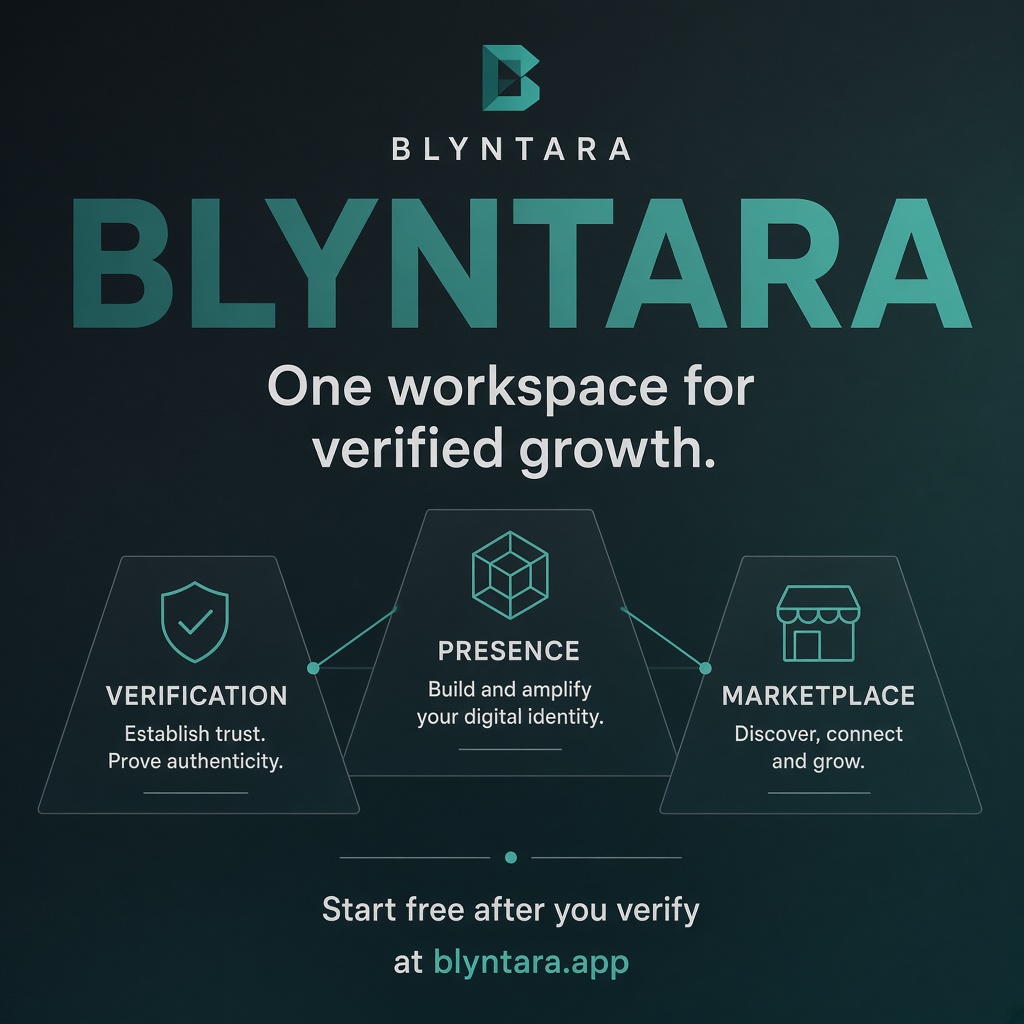
Build your storefront on a verified marketplace. Create your Blyntara business profile and publish your first products.