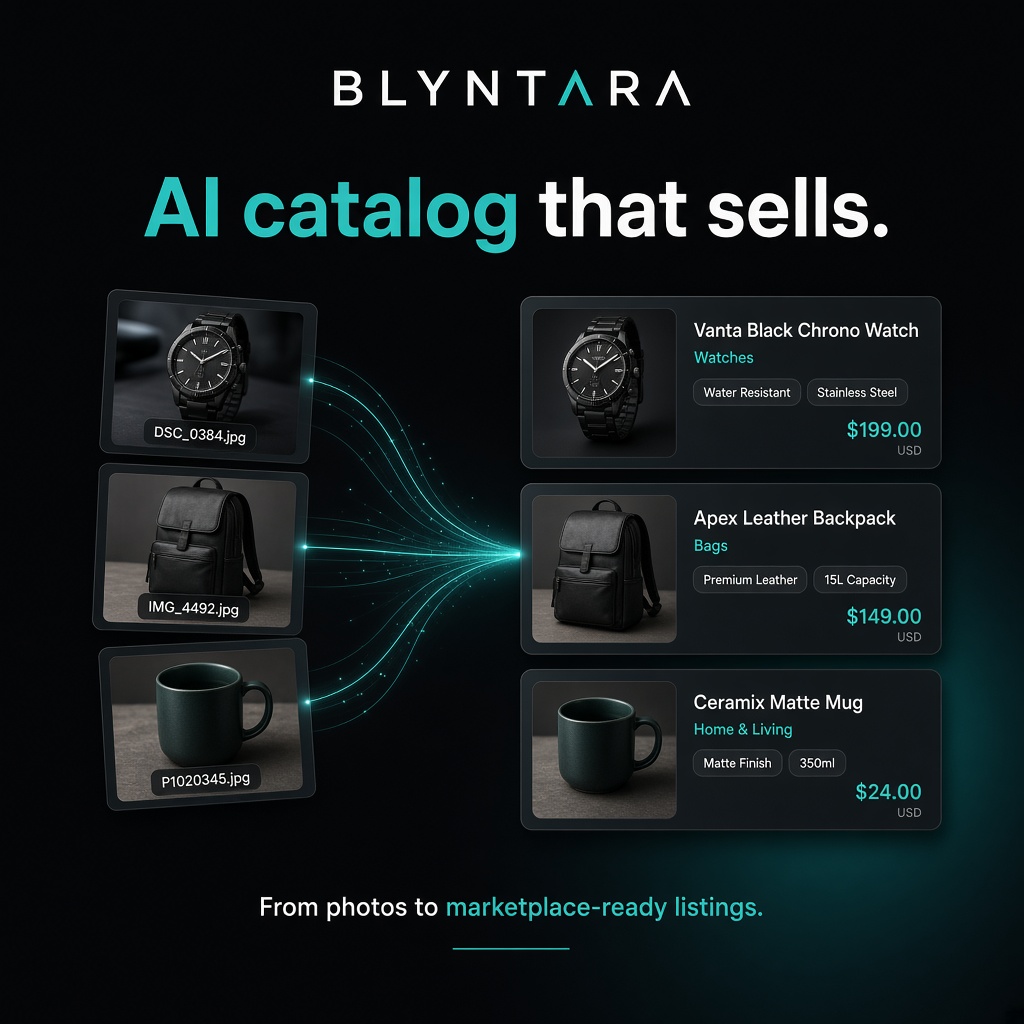
Consumer shoppers search for products by name. B2B buyers search by specification: material, size, standard, quantity, and sometimes country. A product page that lists those details in plain language can rank for long, specific searches that bring buyers who already know what they need.
This guide covers the parts of a listing that matter most for search and for conversion, and the mistakes that keep otherwise good catalogs invisible.
How B2B buyers actually search
- Specification searches, such as a product type with a material and size.
- Standard or certification searches, such as a product with a safety or quality standard.
- Sourcing searches, such as a product with minimum order or "wholesale" and a country.
- Comparison searches, such as supplier type with "verified" or "manufacturer".
Each of these is answered by a page that states the details clearly, near the top, in words a buyer would use.
The anatomy of a listing that ranks and converts
Title: product type, key specification, differentiator
Lead with what the product is, then add the one or two specifications buyers filter by. For example: "Stainless steel insulated bottle, 500 ml, food-grade 304, MOQ 500". Keep it readable. Stuffing every keyword makes the title look unreliable.
First paragraph: answer the buyer's three questions
What is it, who is it for, and what are the commercial terms? Two or three sentences covering product, typical use, minimum order, and lead time give both search engines and buyers what they need.
Specification list
Use a short bulleted list for material, dimensions, weight, capacity, finish, packaging, and certifications. Lists are easy to scan and easy for search engines to understand.
Proof and context
Add certificate names, test results, or where the product has been used. A line of proof is worth more than a paragraph of adjectives.
Photos
Show the product the way an inspector would see it: front, side, detail, scale reference, and packaging. Name files descriptively and write short, factual alt text.
On-page checklist
- Title states product type and the main specification.
- The first paragraph includes minimum order and lead time.
- Specifications are in a bulleted list, using the units your buyers use.
- Materials, standards, and certifications are named exactly.
- At least three photos, including scale and packaging.
- Alt text describes the image in a plain sentence.
- The page links to your storefront and related products.
- The description is written in your own words, not copied from another supplier.
Tip: Write product pages as if the buyer will paste them into an internal approval email. If it answers the questions their manager will ask, it will also answer the search engine.
Common mistakes
- Keyword stuffing. Repeating terms in the title and description reduces trust and does not help ranking.
- Copied manufacturer text. Duplicate descriptions compete with every other seller who copied the same words.
- Missing commercial terms. No MOQ or lead time means buyers will assume the worst or move on.
- Vague specifications. "High quality" is not searchable. "304 stainless steel" is.
- One photo. Buyers cannot judge size, finish, or packaging from a single image.
Connect your products, storefront, and articles
Search engines and buyers both follow links. Link each product to your storefront, link related products to each other, and publish helpful articles that point to the pages they discuss. A catalog that is connected is easier to crawl and easier to trust.
A worked example: rewriting one listing
Before: "Best quality bottle for you. Many colors. Contact now."
After, title: "Stainless steel insulated bottle, 500 ml, food-grade 304, MOQ 500".
After, opening: "Double-wall vacuum insulated bottle made from food-grade 304 stainless steel. Minimum order 500 units, lead time 25 days, custom logo available."
These values are illustrative. Use the real specifications, terms, and certifications for your own product, and only claim what you can document.
Frequently asked questions
How long should a product description be?
Long enough to answer the buyer's questions: usually 150 to 300 words plus a specification list. Add more only when it contains new information.
Do I need a separate page for every variant?
Group variants that share a specification set on one page, and create separate pages for products that buyers would search for differently.
Should I translate my listings?
If you sell to buyers in another language, yes. Translate the title, key specifications, and commercial terms first, and keep each language on its own page.
How long does it take to rank?
Rankings depend on competition and on how often your content is crawled. Complete pages with unique, specific information and clear links tend to be picked up faster, but nobody can promise a position.
Keep reading
- Set up your storefront: Seven steps and a launch checklist for a storefront that earns inquiries. Read the storefront guide
- Understand the platform: What a verified B2B marketplace includes and who it is for. Read the overview
Publish catalog pages that buyers can find. Start on Blyntara and list your first product with full specifications.